



What Is SEO and How Does It Work?
SEO stands for Search Engine Optimisation. In plain English, it's the process of making your website show up when people search for what you do on Google.

When someone types "plumber in Harrogate" or "best accountant near me" or "how much does an app cost," Google decides which websites to show and in what order. SEO is the set of things you do to convince Google that your website deserves to be near the top of that list.
It's not magic. It's not a dark art. It's a combination of technical foundations, quality content, and earned credibility that compounds over time.

How Google Decides Who Ranks
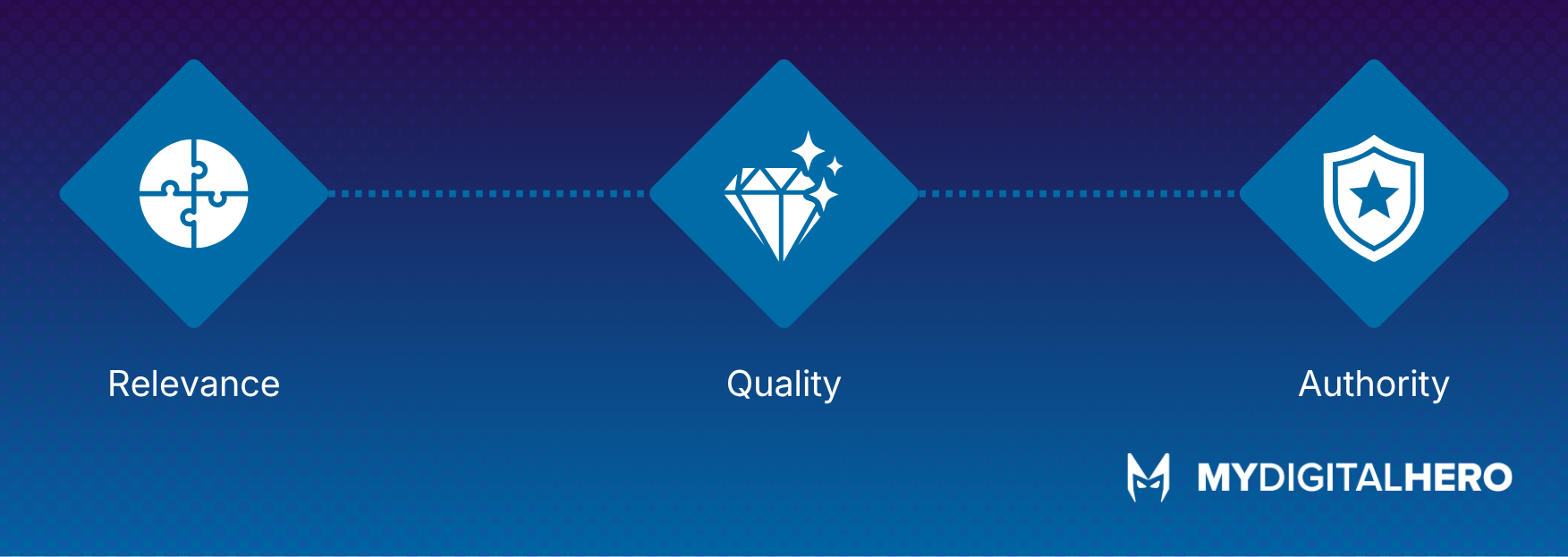
Google looks at hundreds of factors, but the ones that matter most for a small business come down to three areas.
Relevance. Does your website actually answer the question someone searched for? This is where keywords, page content, title tags, and meta descriptions come in. If your page about plumbing services doesn't mention "plumber," "plumbing," or the area you serve, Google doesn't know what it's about.
Quality. Is your content genuinely useful? Google has become remarkably good at distinguishing between a page that answers a question properly and one that's stuffed with keywords but says nothing of value. Write for humans first.
Authority. Does the rest of the internet trust your website? This is largely measured through backlinks (other websites linking to yours). A link from a respected industry publication or a local news site tells Google that your content is worth pointing people to.

The Two Types of SEO
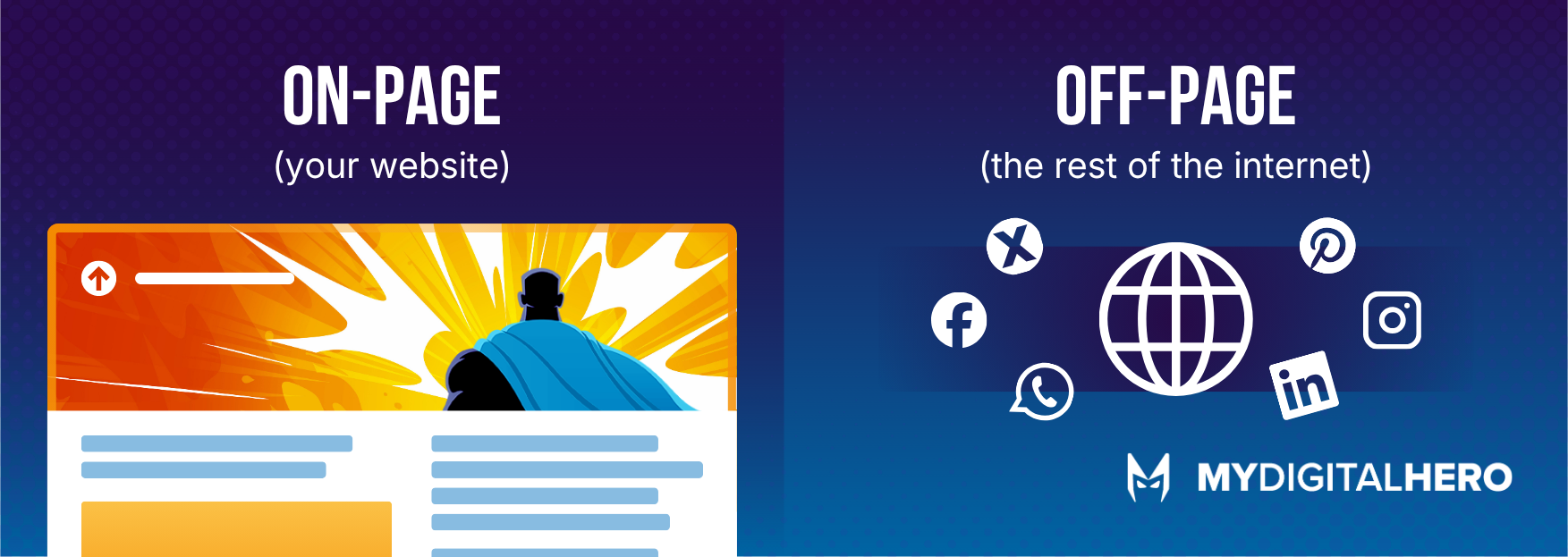
On-page SEO is everything you do on your own website. Writing good title tags, structuring your headings properly, creating useful content, making sure your images have descriptive alt text, ensuring your site loads quickly, and making it work well on mobile.
Off-page SEO is everything that happens elsewhere. Other websites linking to you, your Google Business Profile, online reviews, brand mentions, and social signals. You have less direct control over these, but you can influence them through quality content, PR, and relationships.
How Long Does SEO Take?
This is the question everyone asks, and the honest answer is: months, not weeks. A well-executed SEO strategy typically shows meaningful results in three to six months. Some competitive keywords take longer. But unlike paid advertising, the results compound. A page that ranks well continues to drive traffic for years without additional spend.
SEO is a marathon. PPC is a taxi. Most businesses need both.
What You Should Actually Do
If you're a business owner reading this, here's the short version.
Claim your Google Business Profile if you haven't already. Make sure your website loads in under three seconds. Make sure it works properly on mobile. Write content that answers the questions your customers are asking. Get your title tags and meta descriptions right on every page.
If that sounds like a lot, that's because it is. It's also exactly what our Hero+ subscription covers as standard.

Want to Learn More Terms?
SEO is just one of 120 marketing terms we've explained in plain English on our Jargon Buster. If you've ever pretended to know what CTR, CPA, or ROAS means, this is for you.