


When bad graphic design makes good

simon • 14 April 2025

Sometimes, apparently bad graphic design can work in a brand's favour. Explore 6 of the oddest examples.


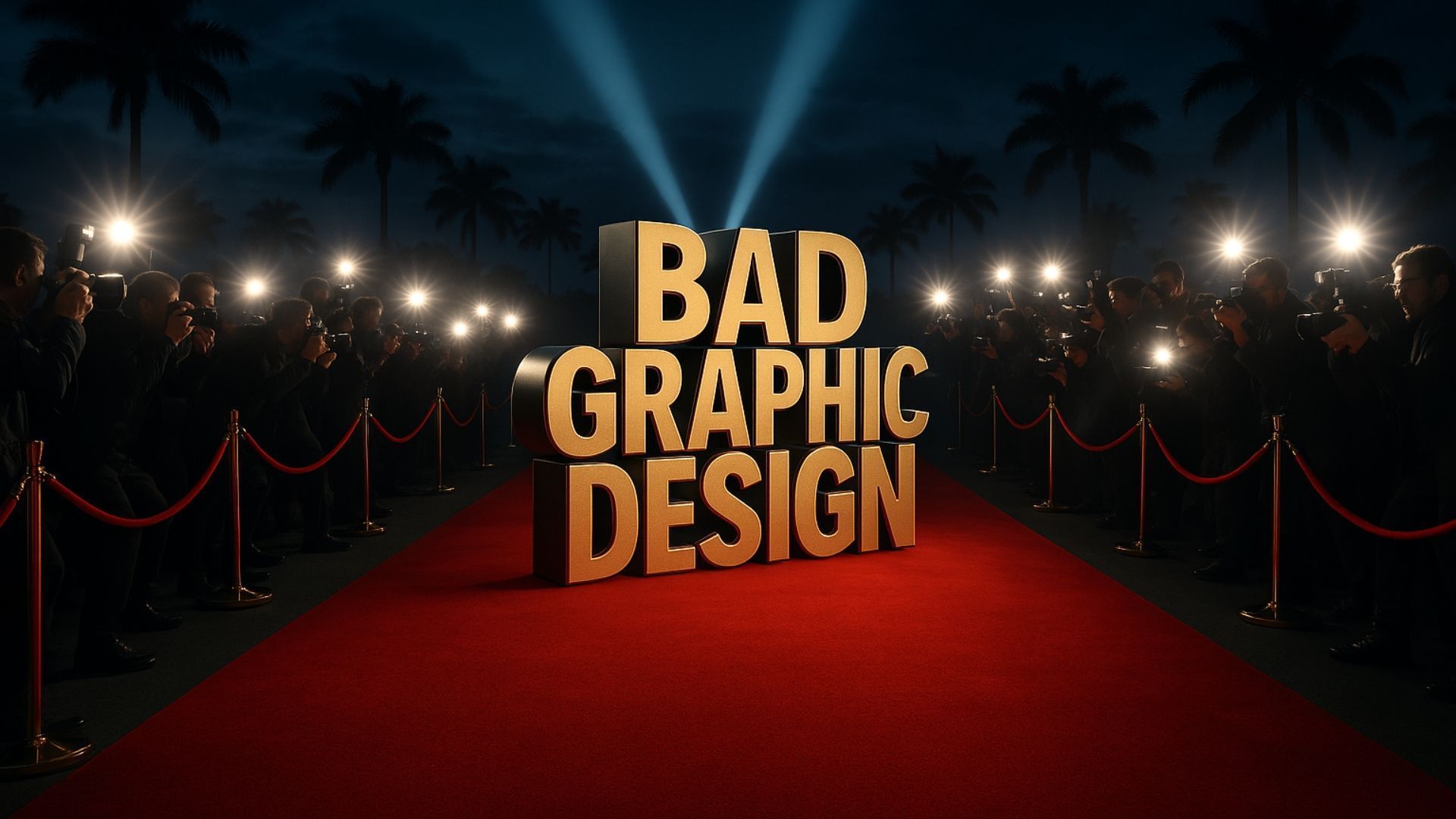
Bold 3D text reading “BAD GRAPHIC DESIGN” on a red carpet with flashing lights and velvet ropes

In the movie world, there's a class of films known as "so bad it's good" movies. These are movies that died a death financially and critically yet found a cult audience over the years.
In graphic design, there's a related but separate phenomenon. This is when bad design leads to good results, either straight away or over time.

Sometimes, a conventionally bad design will stand out from a thousand and one generic competitors. It's a risky strategy that can easily backfire. But when the bad design reflects the individuality of the brand, it can reap dividends.

Here at My Digital Hero, we only make good graphic design (though we say so ourselves!) But what we have in common with the following six examples of bad design is that our work always reflects your brand identity.

So, without further ado, here are six times bad graphic design made a splash.

1. LINGsCARS

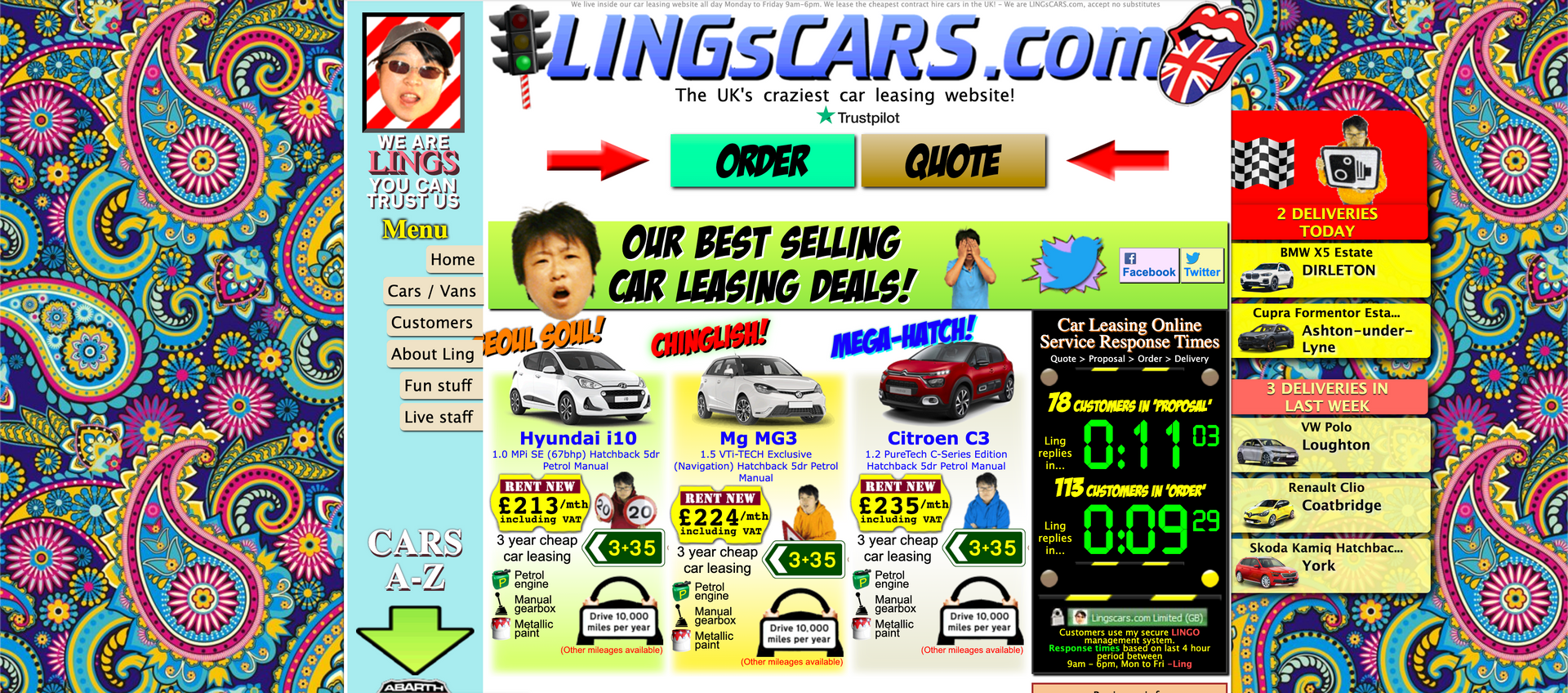
Colorful LynkCars.com webpage collage with ad panels, photos, prices, and neon countdown timers

Ling's Cars – stylised as LINGsCARS – is a car dealership based in Newcastle, England. It was founded by Chinese businesswoman Ling Valentine and her husband Jon in 2000.
Within six years, the couple had gone from leasing cars from their living room to making a million a month in sales. Their secret? It wasn't just the service itself – it was the wacky website they used to promote it.
The original site, now scrubbed from the web, has been called "the weirdest website on the internet". Not content with images of cars and text about the company's services, LINGsCARS treated visitors to a firework display of karaoke, online games and extravagant fonts.
It was a canny move that fulfilled Ling's desire, expressed in a 2014 interview, to "stand out in a sea of 'same again' car leasing websites". The results speak for themselves.
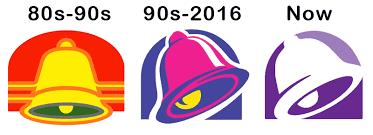
2. Taco Bell's 2016 logo redesign

Three stylized bell logos labeled 80s-90s, 90s-2016, and Now in red, pink, and purple.

American fast-food restaurant Taco Bell has had many logos since it was founded in 1962. And since 1984, they've all featured its iconic bell.
In 2016, however, Taco Bell decided to launch a revamped version at the same time as its flagship Las Vegas restaurant.

In many people's eyes, the new design was offensively bland. The bold, vibrant colours of previous iterations had been replaced by a single colour and the font made blocky and generic. Sure, it had its supporters – but overall, it went down like a bad burrito.

Did it matter? Heck no. As of 2023, Taco Bell serves more than 2 billion customers a year – more than the population of India. Sometimes, it seems, no-frills design can work wonders for a brand.

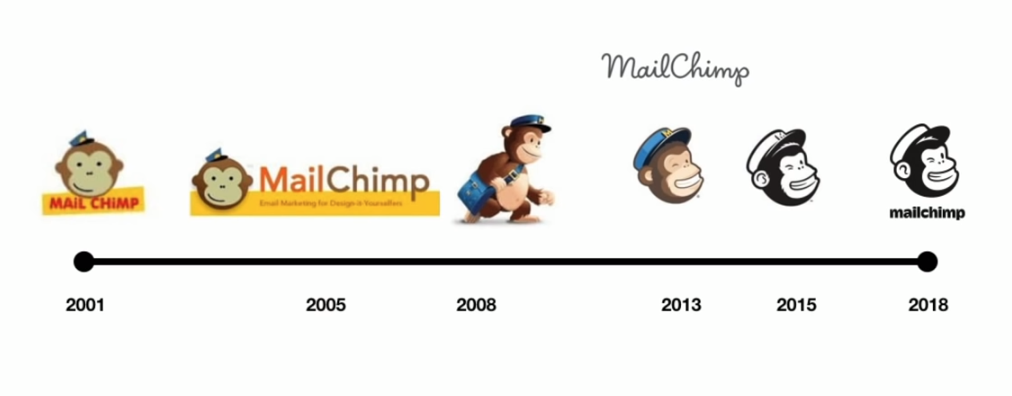
3. MailChimp

Mailchimp logo evolution timeline from 2001 to 2015, showing several mascot redesigns

In the digital marketing world, it's widely accepted that businesses should think hard about their graphic design. At My Digital Hero, it's one of our top priorities. But in the case of MailChimp, a tossed-off design helped push the company into the big leagues.
Despite having a background in design, MailChimp's CEO Ben Chestnut spent next to no time on the website's first iteration in 2001.

"Most of everything you see in this version of the website," he said, "was spare parts from previous web design projects. One of the failed side projects we worked on was an e-greeting site, and one of the most popular greetings was a monkey. So, when we needed a logo for MailChimp, I just pulled the monkey out of the parts bin from that project and put a hat on him."

Most companies would have tried to persuade Chestnut to have another go. But he stuck with it, and the basic yet quirky design helped MailChimp carve out a distinctive brand identity.

4. Dollar Shave Club

Most brands strive to be perceived as a safe pair of hands. Sure, your rocking chair factory isn't rocking the world – but if you want a well-made rocking chair with a fast turnaround, it's just the thing.
Some brands, however, are disruptive. Take Dollar Shave Club, the subscription service that delivers cheap razors to men and women across the world.

It all began when founders Mark Levine and Michael Dubin met at a party and bonded over their hatred of razor blade prices.

The company's desire to disrupt the razor market was reflected in its 2012 viral ad. Its low-budget visuals, rough editing and almost punk-like aesthetic perfectly communicated the company's desire to be different.

Since then, the company has rebranded, becoming an altogether slicker – some would say blander – affair. But its initial success is undeniably down to those early rough-and-ready ads.

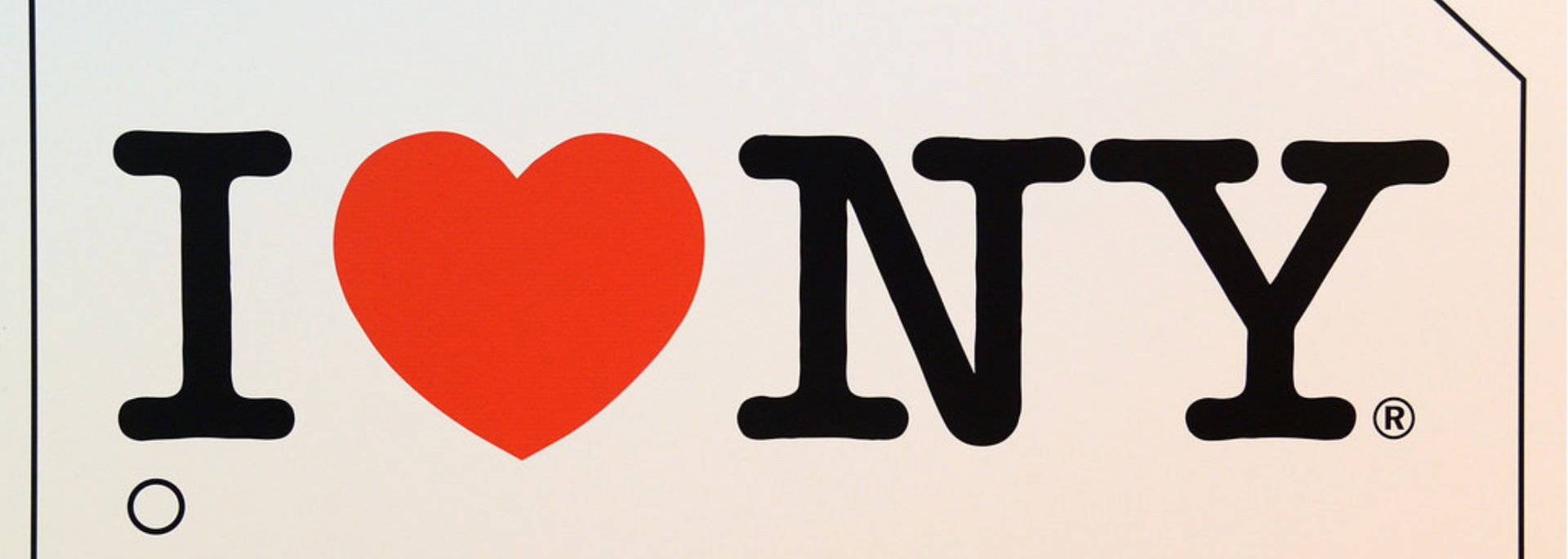
5. I Love New York

“I ♥ NY” logo with black letters and a red heart on a light background

Since 1977, the "I Love New York" logo has been used to promote tourism in the state of New York.
You've probably seen it: "I" and "NY" in a typewriter-style font with a red heart in the middle. Yet despite its ubiquity, the logo had humble origins.

Graphic designer Milton Glaser made the design in 1976 in the back of a taxi. His materials? A red crayon and a piece of scrap paper. He didn't think the campaign would last and provided his services
pro bono .
Fifty years later and this logo is as American as baseball and apple pie. Sometimes, it seems, simplicity is best.

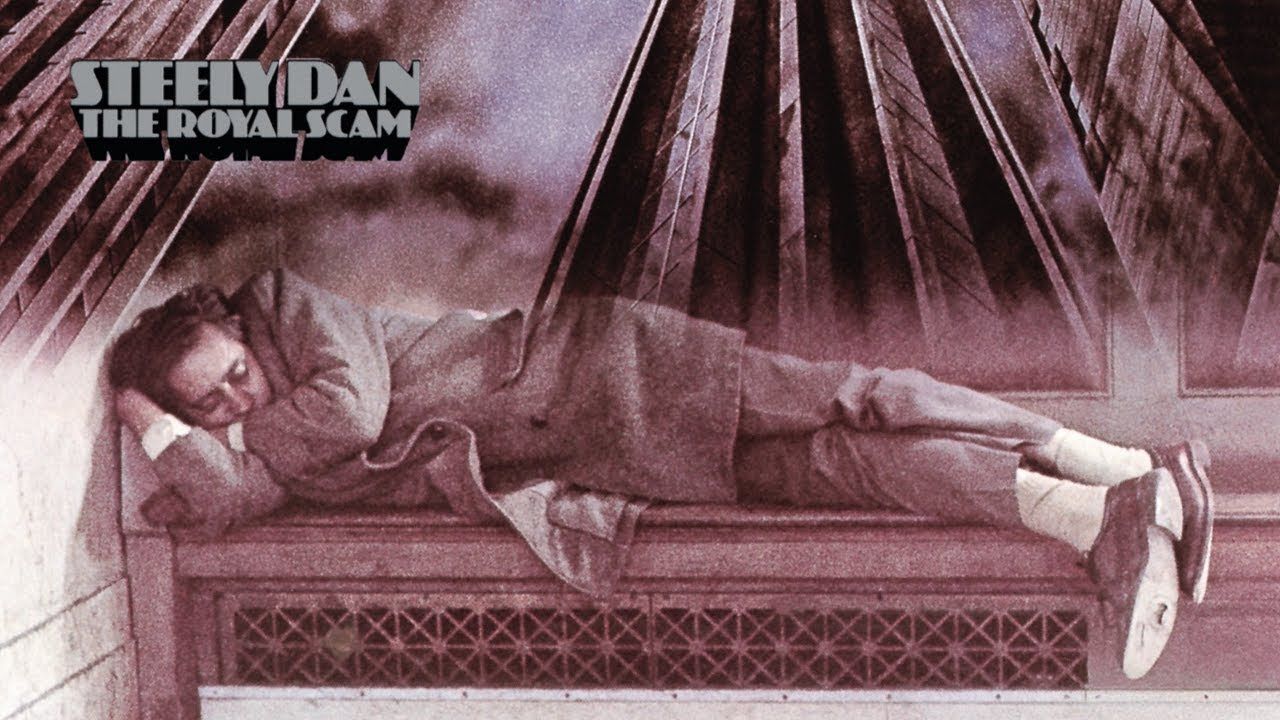
6. Steely Dan's
  The Royal Scam   album cover

Album cover showing a man reclining on a couch in a pink-toned room, with “Sheridan” text in the corner


 In 1976, yacht-rock legends Steely Dan released their fifth studio album, the spikily titled The Royal Scam.
It came with an album cover that its own creators called "the most hideous album cover of the 70s, bar none".

Your tastes may vary, but many people would agree. Its depiction of a businessman lying on a bench surrounded by grotesque, animal-headed skyscrapers is, shall we say, an acquired taste.

Despite its notoriously bad cover,
The Royal Scam is a firm fan favourite and was voted number 868 in the third edition of Colin Larkin's All Time Top 1000 Albums.
Looking for graphic design services that reflect your business's unique personality?
Get in touch with My Digital Hero to discuss how we can make good on your brand promises – no bad design stunts necessary.

Share this article

Recent Posts

Blue marketing banner with cartoon character and text: “What a Marketing Manager Wishes They Could Tell You”
by Simon Edward 9 June 2026
How to Support a Stretched Marketing Manager Without Hiring | My Digital Hero
Dark blue marketing graphic with a caped hero and laptop; text reads “The Real Cost of Doing Your Own Marketing.”
by Simon Edward 1 June 2026
You are not saving money by doing your own marketing. You are hiding the cost from yourself. Here is the real maths, plus a free tool that scores your marketing out of 100.
SEO explainer graphic with Google search bar, upward arrows, and a cartoon robot on a blue background
by Simon Edward 25 April 2026
Understand SEO & its impact on your business. Get key strategies for success. Contact My Digital Hero for expert support!
Tech Stack Graveyard poster with a blue robot among tombstones on a purple night background
by Simon Edward 25 April 2026
Explore our interactive graveyard for dead tech like Adobe Flash & Internet Explorer. Join us in remembering the tech that shaped the web!
Infographic comparing native app, web app, and website with colorful circles and a cartoon robot mascot
by Simon Edward 25 April 2026
Understand the differences between native apps, web apps & websites. Choose the right solution for your business needs today!
Blue infographic with a cartoon owl and six coin icons, titled “The 6 Types of Business Owner We Meet.”
25 April 2026
Identify 6 business owner types & discover how a marketing partner can boost your growth. Contact us for tailored solutions!